
Personal Diabetes-Management Experience
Brisk Walking, Running, Exercise, Yoga and Diet for Diabetes: My Personal Routine
This page describes the exercise and diet routine that one person found useful while managing diabetes. The routine combines brisk walking, gradual running, simple physical exercises, yoga, meditation and dietary changes. It is a personal experience-not a promise that diabetes will be controlled by the same routine in every person.
How I Developed This Diabetes-Control Routine
I have tried different methods to manage diabetes and related health concerns. The routine described below is the combination I personally found most useful. It requires a manageable amount of time in my daily schedule and helped me feel fitter, more energetic and more active.
My original experience also included improvements in body discomfort, stamina and general wellbeing. Those are personal observations. They should not be interpreted as guaranteed results or as evidence that this routine will cure diabetes, obesity, gastrointestinal problems, eyesight problems or pain in another person.

1. Brisk Walking for 10 to 20 Minutes
I begin with a brisk walk for about 10, 15 or 20 minutes depending on stamina. I walk at a pace that feels purposeful while allowing my arms to move naturally. When I first started, I became tired more quickly, but my stamina gradually improved.
My experience: brisk walking helped me become more active and provided a simple way to exercise much of the body. Regular aerobic activity is also consistent with current diabetes-management guidance.
Walking intensity should be adjusted to fitness and medical condition. Anyone with foot problems, neuropathy, chest discomfort, dizziness or significant breathlessness should seek appropriate medical advice.

2. Slow Running for About 5 to 20 Minutes
After brisk walking, I rest briefly when necessary and then run slowly. When starting, I do not try to run for a long period or at a high speed. I increase duration and pace gradually as stamina improves.
My experience: gradual running improved my stamina and made my exercise routine feel more complete. I also noticed less body and leg discomfort over time.
Running is not suitable for everyone. Walking, cycling, swimming or another form of aerobic exercise may be more appropriate depending on age, joints, cardiovascular health, neuropathy, fitness and medical advice.
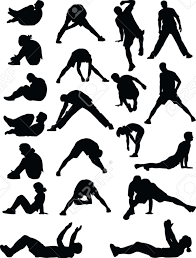
3. Simple Exercises for 10 to 20 Minutes
I then do simple movements for my legs, hips, arms, shoulders and general mobility. When I was beginning, I used a small number of repetitions and performed the movements slowly rather than rushing.
For movements performed in one direction, I try to keep the routine balanced by also performing an appropriate movement in the opposite direction where suitable.
My experience: these exercises helped my mobility and reduced some of the stiffness and discomfort I had experienced. Such an outcome is not guaranteed, and persistent or worsening pain should be medically assessed rather than exercised through automatically.
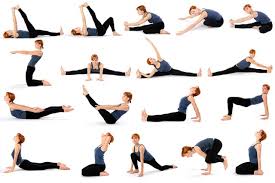
4. Yoga and Meditation for 10 to 20 Minutes
I finish with a selection of simple yoga postures and meditation. I do not consider it necessary for my own routine to perform a large number of postures. I prefer a limited selection that complements the walking, running and other movements I have already completed.
My experience: yoga was useful for flexibility, body awareness and relaxation, while meditation helped me feel calmer and more focused.
Yoga can form part of a broader physical-activity programme, but claims that particular postures will cure diabetes or guarantee specific neurological or memory benefits should not be treated as established merely because they appear in promotional material.
Diet Control as Part of a Healthy Routine
Diet is also an important part of my diabetes-management routine. The practical changes I adopted included paying attention to portions and reducing foods and drinks that contributed unnecessary sugar or calories.
- Control portions: I reduced oversized portions rather than assuming every meal must remain the same size.
- Reduce added sugar: I limit foods with substantial added sugar.
- Plan meals sensibly: if hunger is a problem, meal timing and portions should be planned rather than relying on uncontrolled snacking.
- Stay hydrated: water is my preferred drink, while individual fluid requirements may differ for people with kidney, heart or other conditions.
- Choose nutrient-dense foods: I prefer foods that support a balanced diet rather than simply choosing products because they are labelled "low calorie."
- For digestive discomfort: I sometimes use lemon tea, but persistent gastrointestinal symptoms should be assessed medically.
- Tea: I sometimes choose green tea or lemon tea instead of sweetened beverages.
- Avoid sugary soft drinks: I generally avoid sugar-sweetened soft drinks.
The appropriate diet for diabetes depends on total carbohydrate intake, medicines, body weight, activity, other health conditions and personal circumstances. Exercise should not be used as a reason to consume unrestricted sugar or assume that particular foods have no effect on blood glucose.
Stress Management and a Positive Routine
I also try to avoid unnecessary stress and maintain a balanced perspective on day-to-day problems. Positive social interaction, helping others and maintaining activities that give a sense of purpose have been personally valuable to me.
Exercise itself can contribute to wellbeing, but persistent anxiety, depression, sleep problems or severe stress deserve appropriate professional attention. A positive outlook should complement, rather than replace, healthcare when it is needed.
Can This Routine Cure Diabetes?
No conclusion of that kind can be drawn from my personal experience. Physical activity, nutrition, weight management and prescribed treatment can all contribute to improved glycaemic control, but diabetes management is individualized and the response differs from person to person.
A routine that works well for me should therefore be treated as an example of how one person incorporated several healthy behaviours-not as a guaranteed diabetes cure or a reason to stop prescribed medication.
Health Claims and Advertising: Applicable Indian Law
Health-related promotional claims in India are subject to consumer-protection and drug-advertising law. The Consumer Protection Act, 2019 provides the legal framework for action against false or misleading advertisements through the Central Consumer Protection Authority. The CCPA's Guidelines for Prevention of Misleading Advertisements and Endorsements for Misleading Advertisements, 2022 provide additional standards governing misleading claims and endorsements.
Where advertisements relate to drugs or remedies, the Drugs and Magic Remedies (Objectionable Advertisements) Act, 1954 is also relevant. Among other provisions, sections 3 and 4 address prohibited advertisements concerning treatment of specified conditions and misleading advertisements relating to drugs.
Official Resources
- ICMR Guidelines for Management of Type 2 Diabetes
- Indian Council of Medical Research - Official Guidelines
- Department of Consumer Affairs - Consumer Protection Act, 2019 and related rules/guidelines
- CCPA Guidelines for Prevention of Misleading Advertisements and Endorsements, 2022
- India Code - Drugs and Magic Remedies (Objectionable Advertisement) Act, 1954
My Practical Takeaway
The routine I personally prefer combines aerobic activity, some running when appropriate, simple exercises, yoga, meditation and sensible eating. I build intensity gradually and try to remain consistent instead of using a very demanding programme for a short period.
For another person with diabetes, the safest and most effective combination may be different. Regular blood-glucose monitoring, recommended medical reviews, suitable nutrition and an individualized exercise plan remain important.
Author note: The author's identity may be disclosed on genuine request, subject to privacy considerations.