
Old ₹500 and ₹1000 Notes: Current Legal Status, Possession Rules and ₹2000 Update
The special exchange, deposit and withdrawal arrangements introduced during India's 2016 demonetisation were temporary and have long since ended. Today, the old Mahatma Gandhi-series ₹500 and ₹1000 notes withdrawn in November 2016 are not legal tender. Their possession is governed by the Specified Bank Notes (Cessation of Liabilities) Act, 2017.
Are the old ₹500 and ₹1000 notes still legal tender?
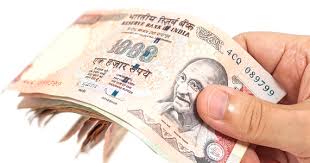
No. The ₹500 and ₹1000 banknotes of the Mahatma Gandhi Series that were in circulation up to 8 November 2016 ceased to be legal tender from the midnight of 8 November 2016. They are commonly referred to as "Specified Bank Notes" or SBNs.
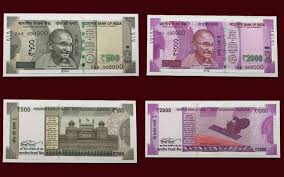
Accordingly, an old pre-demonetisation ₹500 or ₹1000 SBN cannot now be used as ordinary currency for making payments. It must also not be confused with the later ₹500 Mahatma Gandhi (New) Series note, which is a different banknote and remains legal tender.
The Specified Bank Notes (Cessation of Liabilities) Act, 2017
Parliament enacted the Specified Bank Notes (Cessation of Liabilities) Act, 2017 (Act No. 2 of 2017) to provide for cessation of the Reserve Bank of India's and Central Government's liabilities in relation to the demonetised specified bank notes and to regulate their subsequent possession, transfer and receipt.
The Act is deemed to have come into force on 31 December 2016. It replaced the temporary exchange-and-deposit phase with a permanent statutory framework governing the old ₹500 and ₹1000 SBNs.
How many old ₹500 and ₹1000 demonetised notes can a person keep?
Section 5 of the 2017 Act generally prohibits a person from knowingly or voluntarily holding, transferring or receiving specified bank notes, subject to statutory exceptions.
General possession
A person may hold up to 10 specified bank notes in total, irrespective of whether they are old ₹500 notes, old ₹1000 notes, or a combination of the two.
Study, research or numismatics
Up to 25 specified bank notes may be held for study, research or numismatic purposes.
The Act separately recognises possession by the Reserve Bank or its authorised agencies, possession pursuant to a court direction in a pending case, and other statutory situations such as holding by specified law-enforcement authorities.
Penalty for prohibited possession, transfer or receipt
Contravention of Section 5 may attract a fine under Section 7 of the Act. The fine may extend to ₹10,000 or five times the face value of the specified bank notes involved, whichever is higher.
Anyone who unexpectedly finds a large quantity of demonetised SBNs should therefore avoid treating them as ordinary cash or attempting an informal sale, exchange or transfer.
Is the current ₹500 note valid?
Yes. The ₹500 banknote introduced under the Mahatma Gandhi (New) Series after demonetisation is distinct from the old demonetised ₹500 note. The new-series ₹500 banknote remains legal tender.
What is the current status of ₹2000 notes?
The ₹2000 denomination was introduced in November 2016. The Reserve Bank of India announced its withdrawal from circulation on 19 May 2023, but withdrawal from circulation did not amount to demonetisation. RBI continues to state that ₹2000 banknotes remain legal tender.
The facility for deposit or exchange of ₹2000 notes at ordinary bank branches ended on 7 October 2023. RBI Issue Offices continue to provide the facilities specified by RBI, including exchange and, subject to the applicable procedure, credit to bank accounts. RBI has also permitted members of the public to send ₹2000 notes through India Post from within India to designated RBI Issue Offices for credit to their bank accounts.
What happened during the 2016 demonetisation period?
On 8 November 2016, the Government announced withdrawal of the legal-tender character of the then-existing ₹500 and ₹1000 notes. A temporary banking scheme was introduced for exchange and deposit of SBNs and for regulated cash withdrawals while new currency was being supplied.
| 2016 measure | Historical position | Position now |
|---|---|---|
| Exchange of old ₹500/₹1000 notes at banks | Permitted for limited periods and subject to changing caps. | Expired; no general bank exchange facility exists for SBNs. |
| Deposit of SBNs into bank accounts | Permitted during the notified demonetisation window, subject to applicable KYC and reporting rules. | Expired as a general public facility. |
| Special ATM/cash withdrawal limits | Temporary limits were imposed and repeatedly revised in November 2016. | Those demonetisation-specific limits are obsolete. |
| Special use of old notes for specified payments | Temporary exemptions applied to selected payments during specified dates. | Expired. |
| Wedding, farmer and trader relaxations | Special temporary withdrawal arrangements applied during the transition. | Expired. |
These historical measures remain useful for understanding the implementation of demonetisation, but they should not be presented as present-day banking instructions.
Difference between demonetisation and withdrawal from circulation
Demonetisation removes the legal-tender character of a banknote. Withdrawal from circulation can occur while the note continues to be legal tender. This distinction explains why the old ₹500 and ₹1000 SBNs cannot be used as currency today, whereas ₹2000 notes remain legal tender even though RBI has been withdrawing them from circulation.
Official RBI and statutory resources
Related online guides
- How to register FIR online and get a copy of FIR online
- How to file Income Tax Return online
- How to apply for Passport online and check status
- How to apply for PAN Card online and check status
- How to apply for Aadhaar and update details
- How to file an RTI application online
- Online Aadhaar, PAN, Passport, ITR and FIR services
- How to check Voter ID status online
- How to check consumer case status online
This page provides general information on Indian currency law and RBI instructions. For an unusual case involving seized notes, court proceedings, inheritance, numismatic holdings or a large quantity of old SBNs, verify the applicable statutory provisions and current RBI directions before acting.